Overview
Our Story
Educating Future Doctors. Serving The Region.
Shillong Medical College builds upon the rich legacy of the Pasteur Institute, Shillong, a pioneering public health institution that, following the "Pasteurian" model, produced Neural Anti-Rabies Vaccine (1917-2005) and Cholera, Typhoid & Paratyphoid vaccines (1922-1996). The institute served Assam, the Northeast, West Bengal, Bhutan, and major organizations including the Railways, tea estates, oil companies, and the armed forces. Beyond vaccine production, it functioned as a diagnostic laboratory, a training centre for laboratory technicians, and later as a hub for blood banking and HIV/AIDS screening. Today, this legacy continues through Shillong Medical College, established by the Government of Meghalaya, Health & Family Welfare Department, with the vision of strengthening medical education, advancing research, and enhancing healthcare services across the State.
1906 - 1917
Origins and Foundation
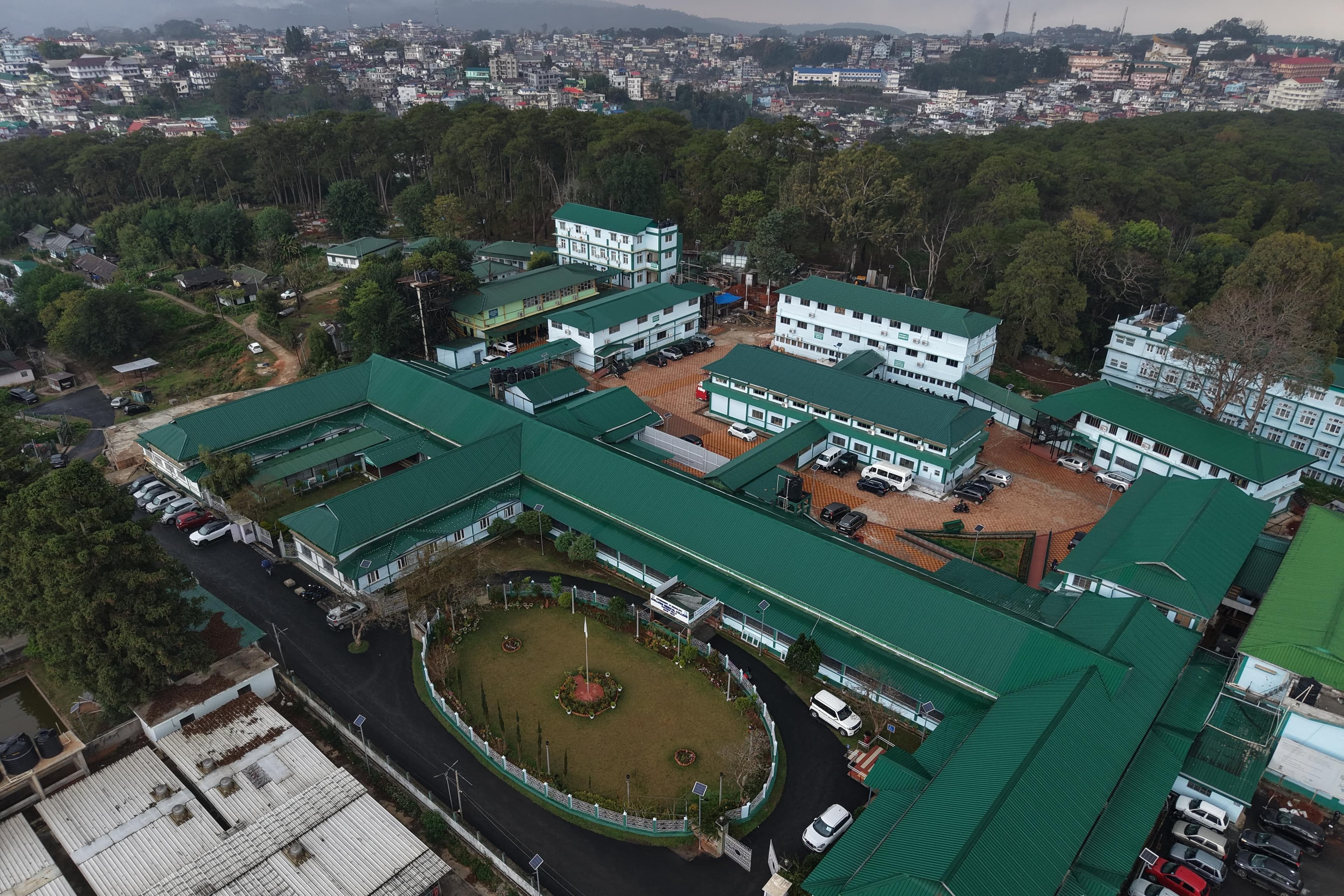
The idea arose in 1906 at a meeting of the Assam Branch of the Indian Tea Association, which proposed a regional centre for anti-rabic treatment. A committee in 1909 pushed plans forward; by 1912 Shillong was chosen as the site, and the Eastern Bengal & Assam King Edward VII Memorial Fund committed financing. Construction began in 1915, and the Institute treated its first patient on 16 January 1917. Its campus - on pine-covered “Pasteur Hills” - was shaped with guidance from Col. Sir David Semple and Sir Pardey Lukis.
1917 - 1945
Early Governance & Leadership
Erected by public subscription, the Institute was originally named the King Edward VII Memorial Pasteur Institute. The first Director, Col. R. (Ralph) Knowles was appointed in 1917. For decades, the Assam Medical Research Society oversaw its work until its dissolution in August 1945.
1917 - 2005
Vaccines, Diagnostics & Training
Built on the “Pasteurian” model, Shillong produced Neural Anti-Rabies Vaccine (1917-2005) and Cholera, Typhoid & Paratyphoid vaccines (1922-1996). It supplied Assam, the other Northeast states, West Bengal, Bhutan, and major organisations like Railways, tea estates, oil companies, and the military. Alongside vaccines, it long served as a diagnostic lab, a training centre for technicians, and later a hub for blood banking and HIV/AIDS screening. Today, the Regional Blood Bank and technician training remain core functions.
1945 - 1972
Institutional Transition
After 1945, governance of the institute was passed to the Government of Assam, and after state reorganisation in 1972, to the Government of Meghalaya.
Today
Transition to Shillong Medical College
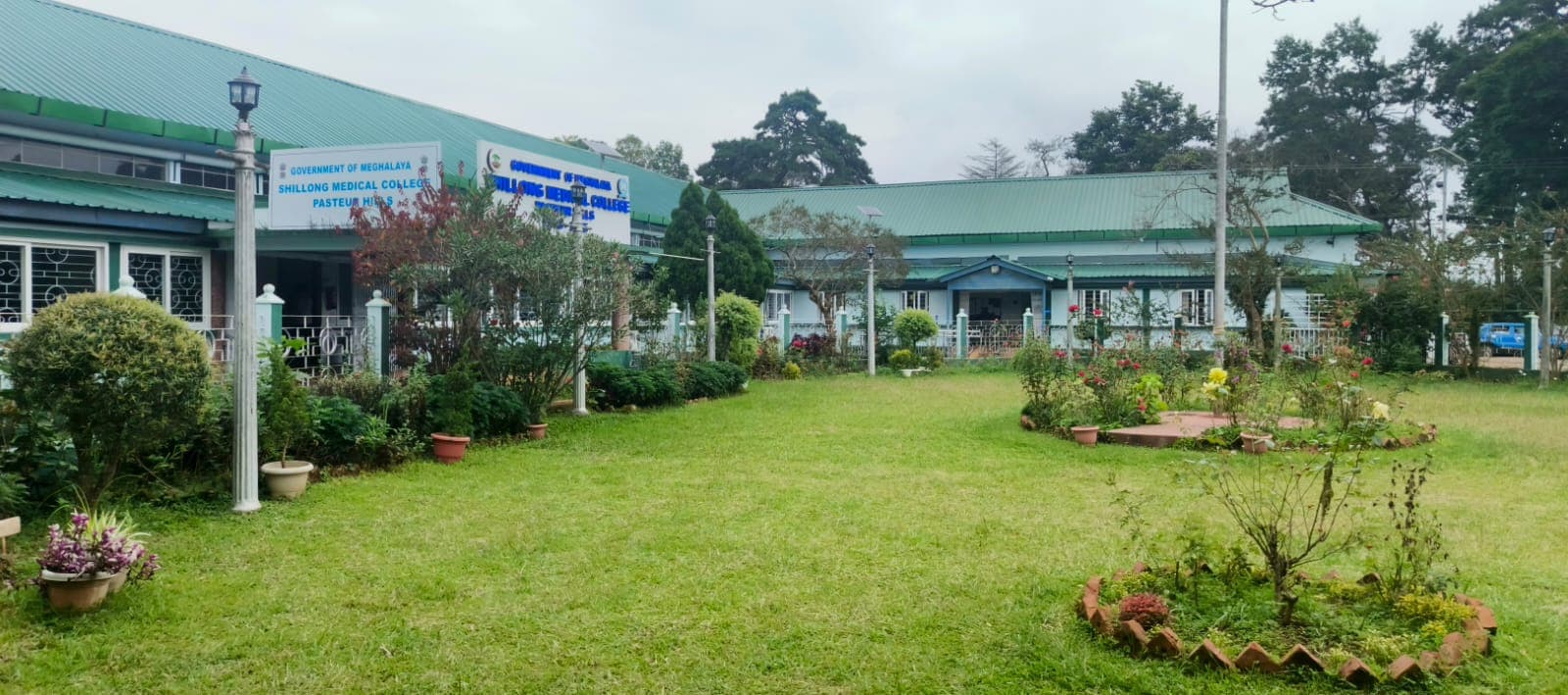
The Pasteur Institute campus is being transformed into the Academic Block of the Shillong Medical College, ensuring its legacy as a hub of healthcare, education, and research continues into the 21st century.
Our Mission
High-quality medical education, built on a historic legacy.
To provide high-quality medical education and training while fostering research and innovation, building on the historic legacy of the Pasteur Institute, and preparing competent, compassionate healthcare professionals for the region and beyond.
Our Vision
Advancing Medical Education in Meghalaya and the Entire Northeast India.
To establish Shillong Medical College as a center of excellence in medical education, research, and patient care - promoting healthcare self-reliance in Northeast India and serving as a modern hub for academic and clinical advancement.
The Initiative
Transforming Healthcare and Medical Education in Meghalaya
The Government of Meghalaya, Health & Family Welfare Department, has established the Shillong Medical College (SMC) with the objective of strengthening medical education and enhancing healthcare services within the State. The project is prioritized as a brownfield initiative, with the following key developments:
Expanding Academic Facilities
The historic Pasteur Institute is being transformed into a modern Academic Block that will house classrooms, laboratories, a central library, administrative offices, museums, and other essential academic facilities. The development is being carried out in accordance with the norms and standards prescribed by the National Medical Commission (NMC).
Teaching Hospitals
Shillong Civil Hospital and Ganesh Das Government Maternity & Child Hospital (MCH) serve as the teaching hospitals for Shillong Medical College, supporting an annual MBBS intake of 50 students. Together, the hospitals provide 850 teaching beds, well above the National Medical Commission (NMC) requirement of 220 beds.
Future Development Plans
Preparatory work has commenced for the greenfield expansion of Shillong Medical College. The proposal includes an additional intake of 50 MBBS seats and 50 postgraduate seats within the existing campus. The expansion will be implemented upon receiving the necessary regulatory approvals and in accordance with National Medical Commission (NMC) norms.
Developing as a Medical Hub in Meghalaya and Surrounding
The establishment of Shillong Medical College marks a significant milestone in Meghalaya's journey towards self-reliance in healthcare and medical education. The college is committed to providing quality medical education while addressing the region's growing healthcare needs.
The college aims to become a regional hub for medical education and research, contributing to the overall development of healthcare in Meghalaya and the surrounding areas.